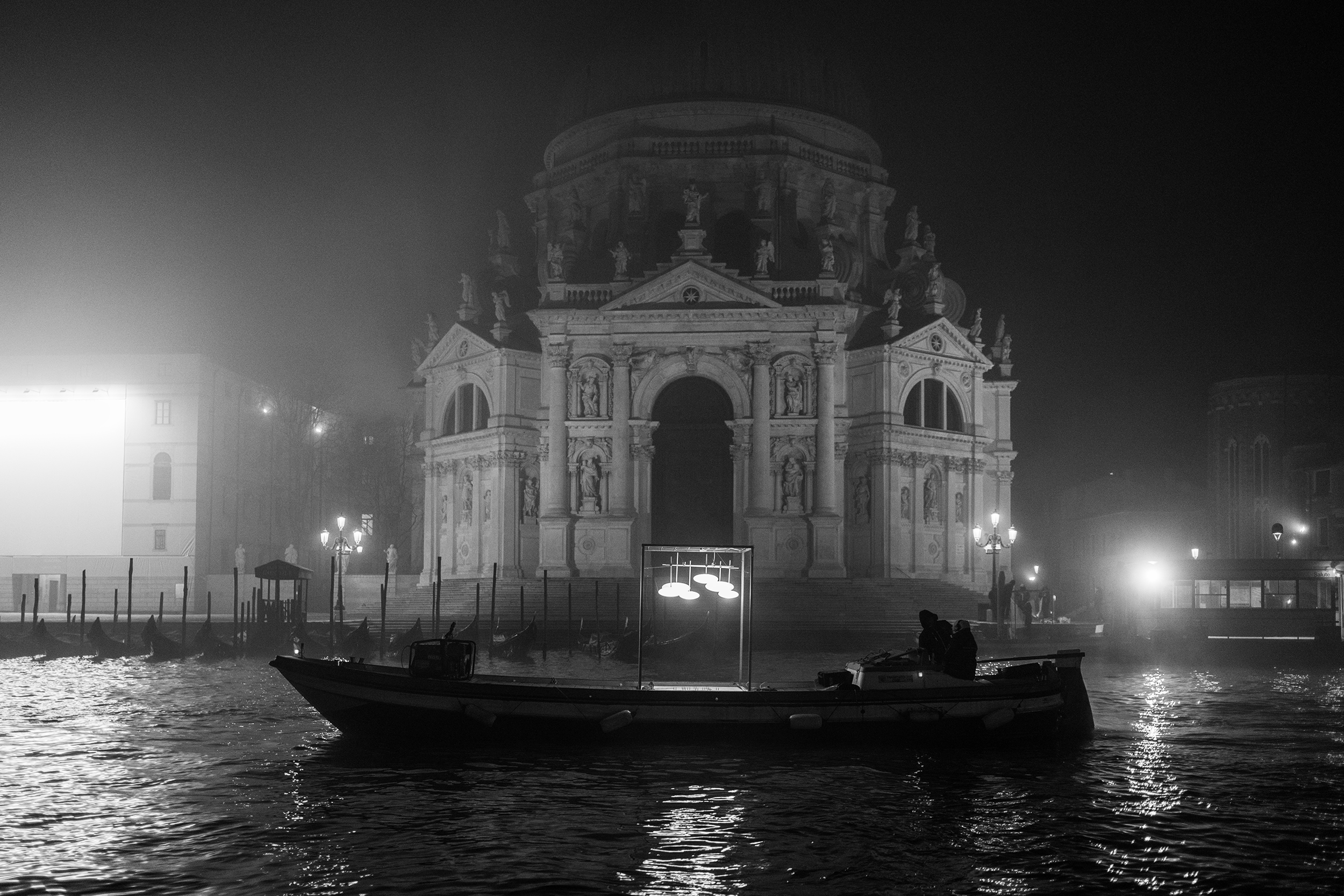
Venice.
A Place, A Vision.
Venice never reveals itself all at once, and perhaps that is precisely where its power lies. It unfolds like a story that asks to be experienced slowly, through reflections that appear and disappear
and silences broken only by the movement of water. Light falls across the canals and returns fragmented, multiplied, never quite the same. Every surface becomes an unstable mirror; every step shifts the view. In this constant movement between form and dissolution, the city shapes its identity
a narrative substance that can never be fully held still.
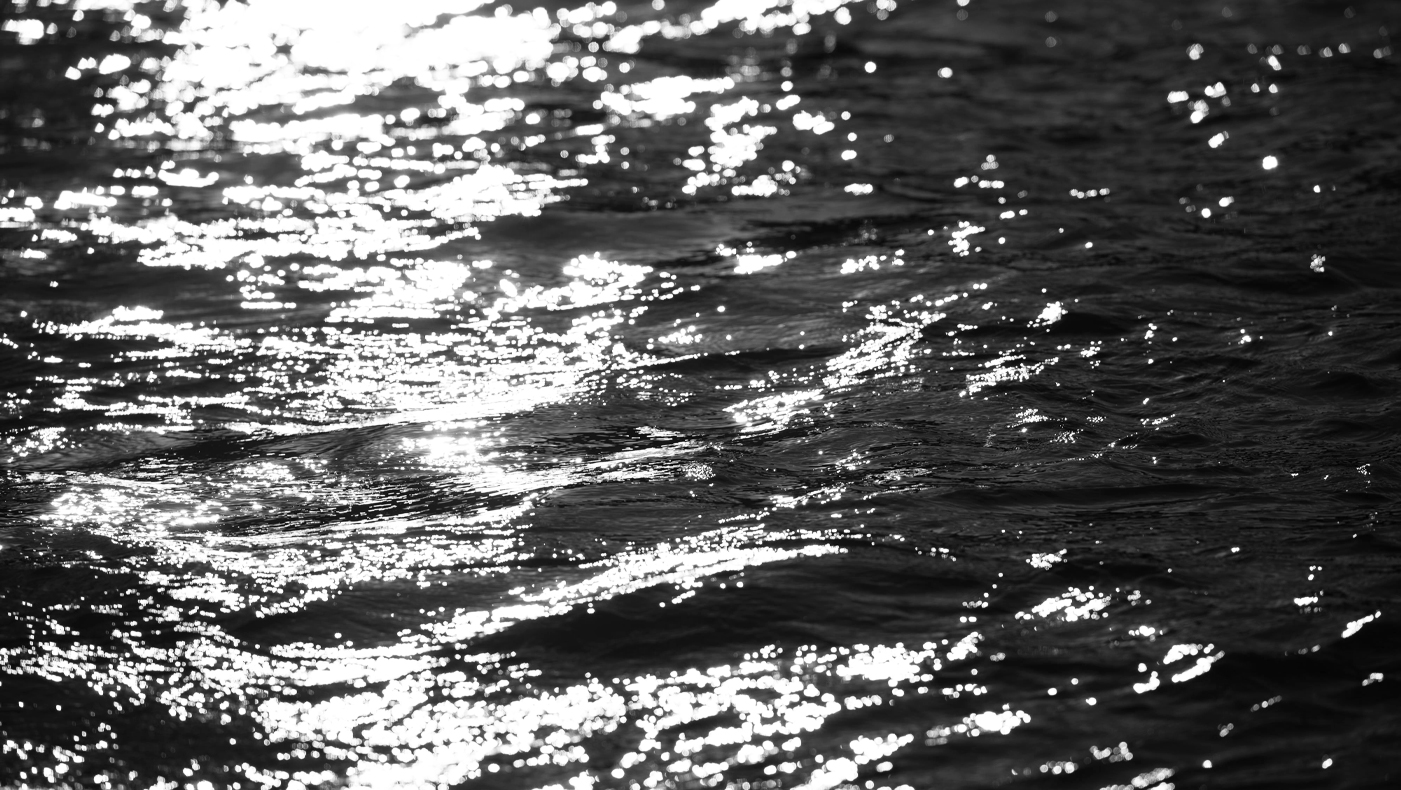
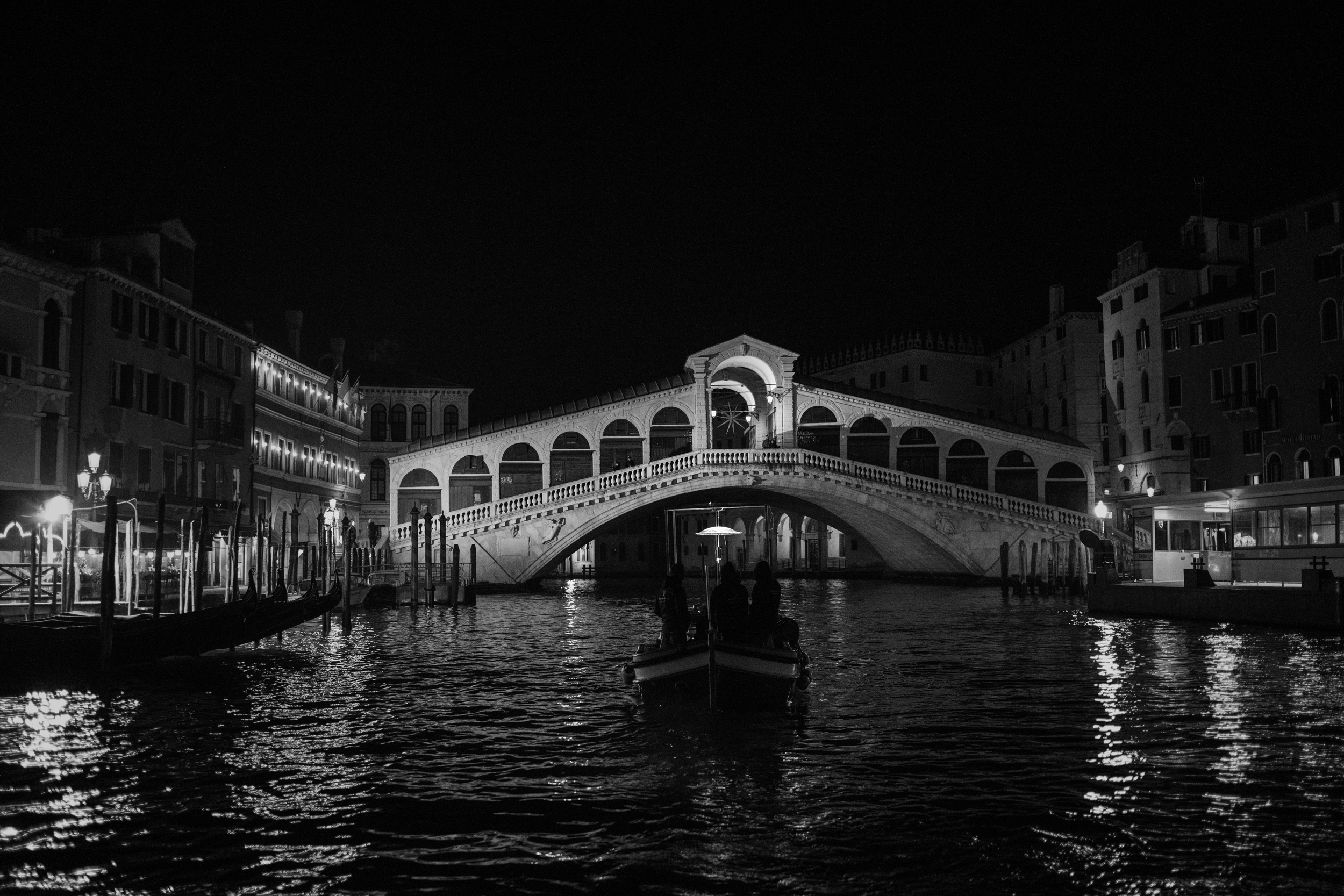
Fig. 1 Canal Grande
Water is Venice’s true archive: a liquid memory that holds images and returns them transformed. It receives the sky, the architecture and the passing hours, reshaping them into a vibrant, ever-moving surface. Light travels across the water, then rises slowly along the façades, enters interiors and redefines volumes and proportions. It is an aesthetic built on layers and anticipation, where nothing is immediate and everything seems to emerge from a long dialogue between matter and time.
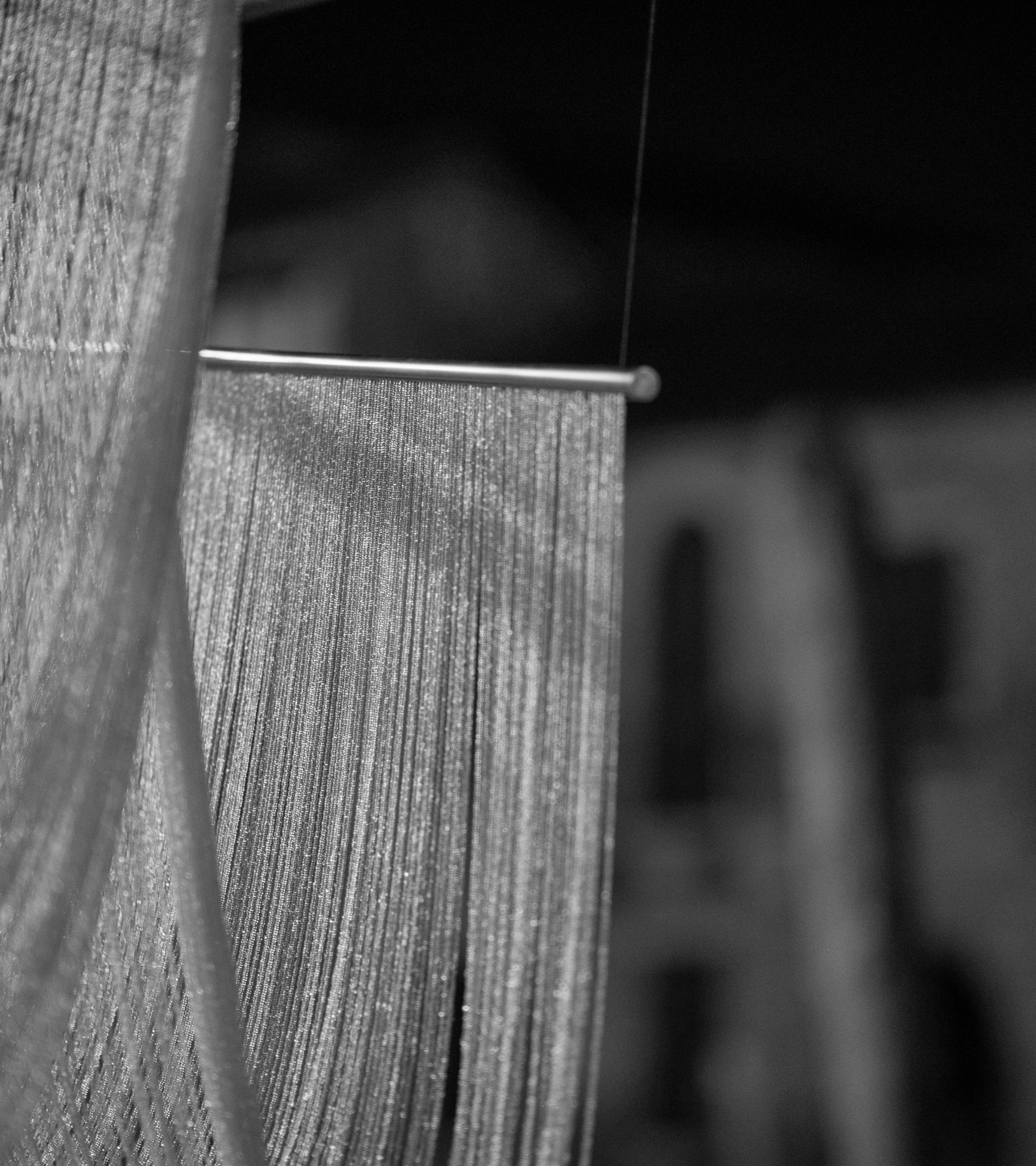
Fig. 2 Canal Grande / Aphrodite
In contemporary interpretations of light and glass, this imagery resurfaces without needing to be stated. Chandeliers take on soft, fluid forms, as though shaped by a slow and continuous movement. Their lines do not pursue perfection; they follow a natural rhythm, evoking suspended waves and surfaces that still seem capable of flowing. Passing through these forms, light does more than illuminate: it becomes a living, shifting presence, deeply connected to the idea of water.
Fig. 2 Canal Grande / Aphrodite
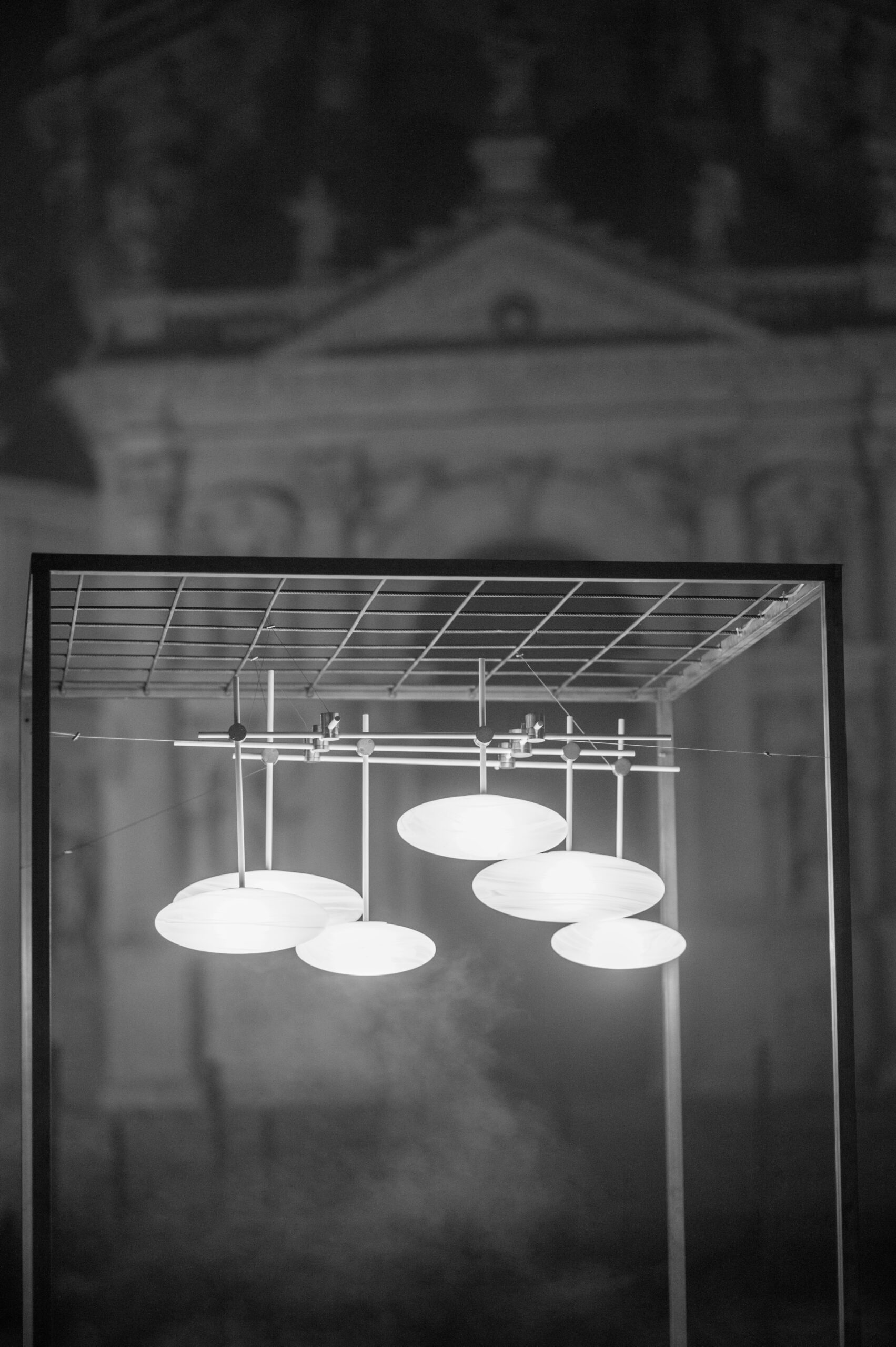
Fig. 3 Basilica Santa Maria della Salute / Nubi
Alongside this fluid dimension lies another, quieter and more rugged. Surfaces become rough and irregular, as though weathered by salt and humidity. Here, glass gives up its ideal transparency and carries traces and imperfections that speak of time. Light fractures, pauses and creates deep, dense shadows. It is a less immediate but more enduring beauty, recalling a Venice shaped by water – resilient and fragile at once.
Fig. 3 Basilica Santa Maria della Salute / Nubi
In this landscape of reflections and traces, the work of Patrizia Volpato fits naturally and with quiet restraint, emerging more as a cultural continuity than an explicit statement.
Water turns into glass, light becomes narrative, and these luminous forms retain something of the city: the fleeting nature of reflections, the memory of sea salt,
and the feeling of time flowing without ever being exhausted.
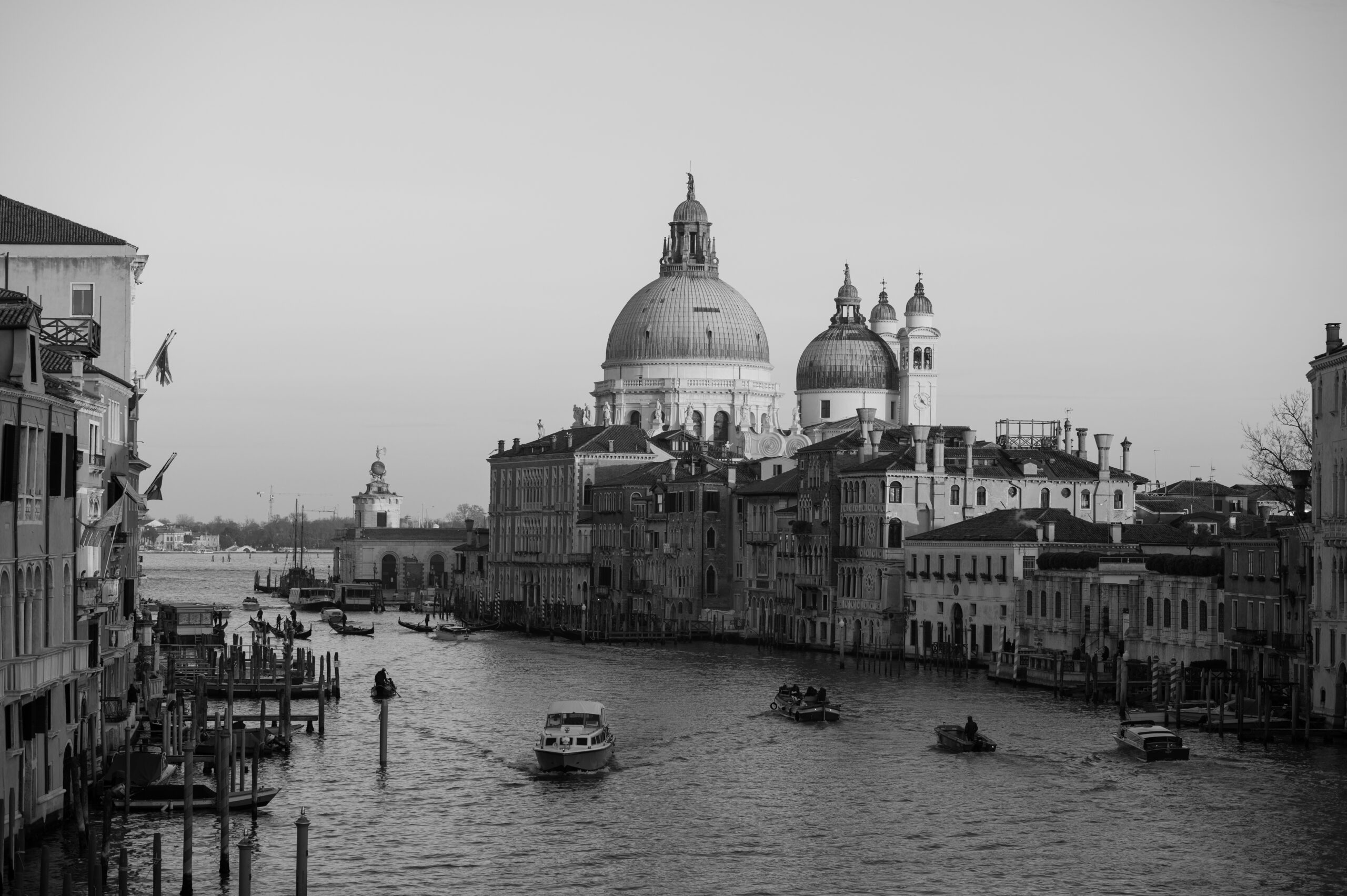
Fig. 4 Canal Grande / Basilica Santa Maria della Salute